Have you heard about solar cooling, but are wondering if it’s really a good idea for you? It’s true, there are many things you hear, and sometimes it can seem a bit complicated. The idea of cooling your home using the sun sounds good, right? But does it really work, especially when it’s cloudy? We will explore together what it is, what it offers, and also the little inconveniences to know before diving in. It’s a technology that is gaining ground, and it’s normal to want to understand before taking the big step.
Key points to remember
- Solar cooling uses energy from the sun to cool, which is great for the planet and your wallet in the long term.
- There are systems that operate 100% on solar energy (standalone) and others that integrate with grid electricity (hybrid).
- The major downside is the upfront price, which is still quite high compared to traditional air conditioners.
- It heavily depends on the weather: the more sun there is, the better it works. Cloudy days are less effective.
- Even though it’s still new for many, technology is improving and prices should decrease, making solar cooling more accessible.
Understanding solar cooling: the basics
Hello! So, you are wondering how this famous solar cooling works, huh? In reality, it’s not that complicated. Imagine being able to cool your home or office using only the sun’s energy. Pretty cool, right?
What is solar cooling?
Essentially, solar cooling is a way to cool a space by using solar energy as the main source. Unlike traditional air conditioners that draw energy from the electrical grid, these systems harness the sun’s rays. The idea is to produce cool air when it’s hottest, precisely when the sun is most generous. It’s a technology that is gaining traction, especially with environmental concerns and rising electricity prices. It allows us to reduce our dependence on fossil fuels and make a small gesture for the planet.
The different types of solar air conditioners
There are primarily two major families of solar air conditioners:
- Hybrid systems: These are quite smart. They work by combining solar energy with grid electricity. When there’s plenty of sunshine, they use this free energy. If the sky is a bit cloudy or you need more power, they switch to the grid. This ensures you will always have cool air, regardless of the weather.
- 100% solar systems (standalone): Here, we are entirely solar. These devices work solely thanks to solar energy. They are often equipped with batteries to store the energy produced during the day. This way, you can have cool air even at night or when there is no sun. It’s perfect for very sunny regions or places where the electrical grid is unreliable.
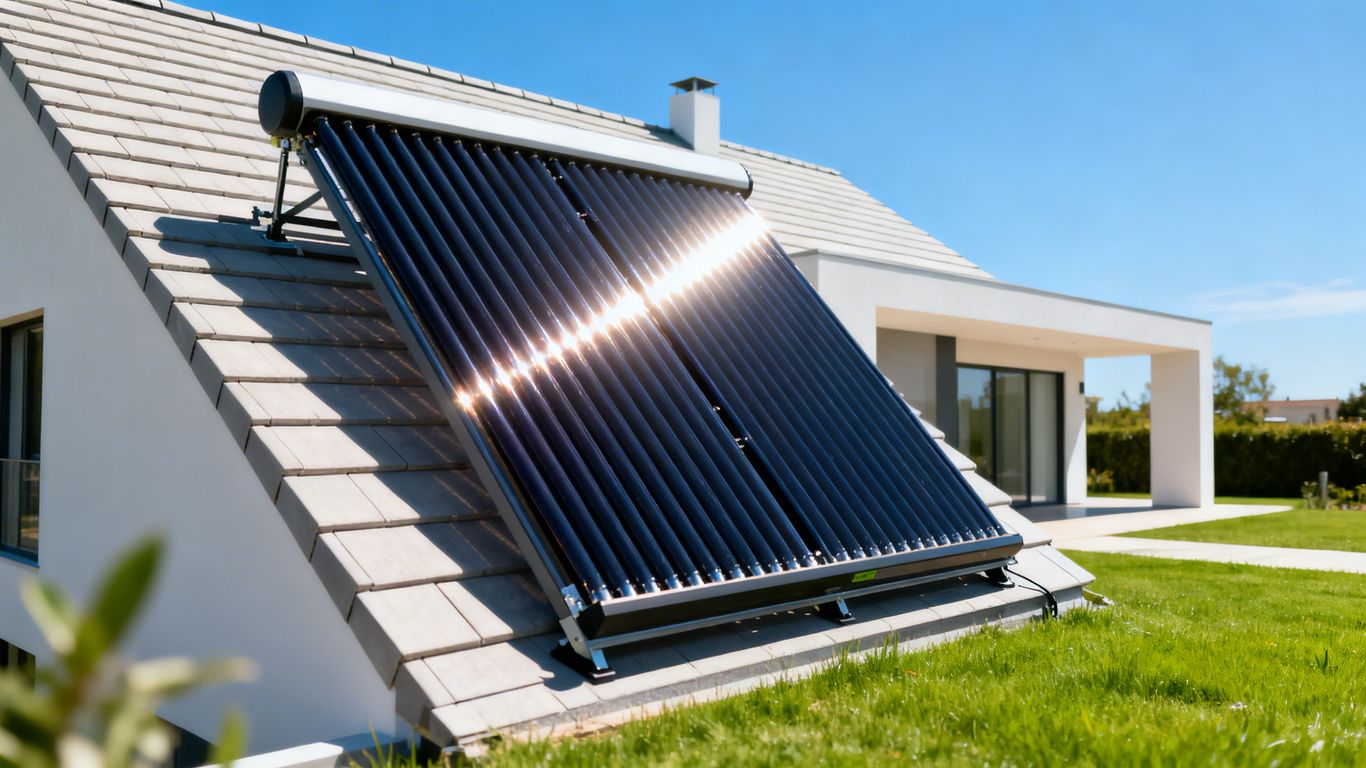
There is also a distinction between solar *photovoltaic* cooling (which uses the electricity produced by solar panels to power a traditional air conditioner) and solar *thermal* cooling (which uses the sun’s heat to produce cool air, often through absorption machines).
How does solar cooling work?
The basic principle is quite simple. Solar panels, whether photovoltaic or thermal, capture the sun’s energy.
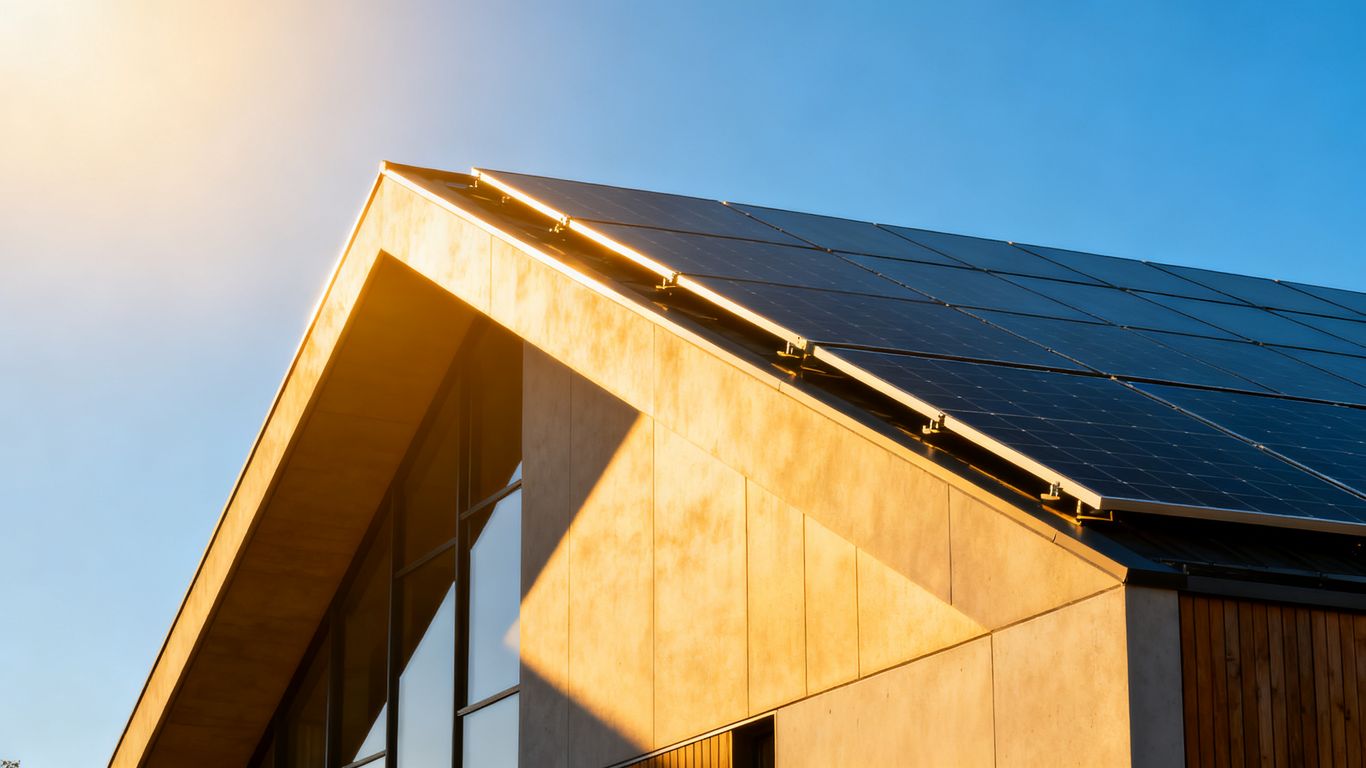
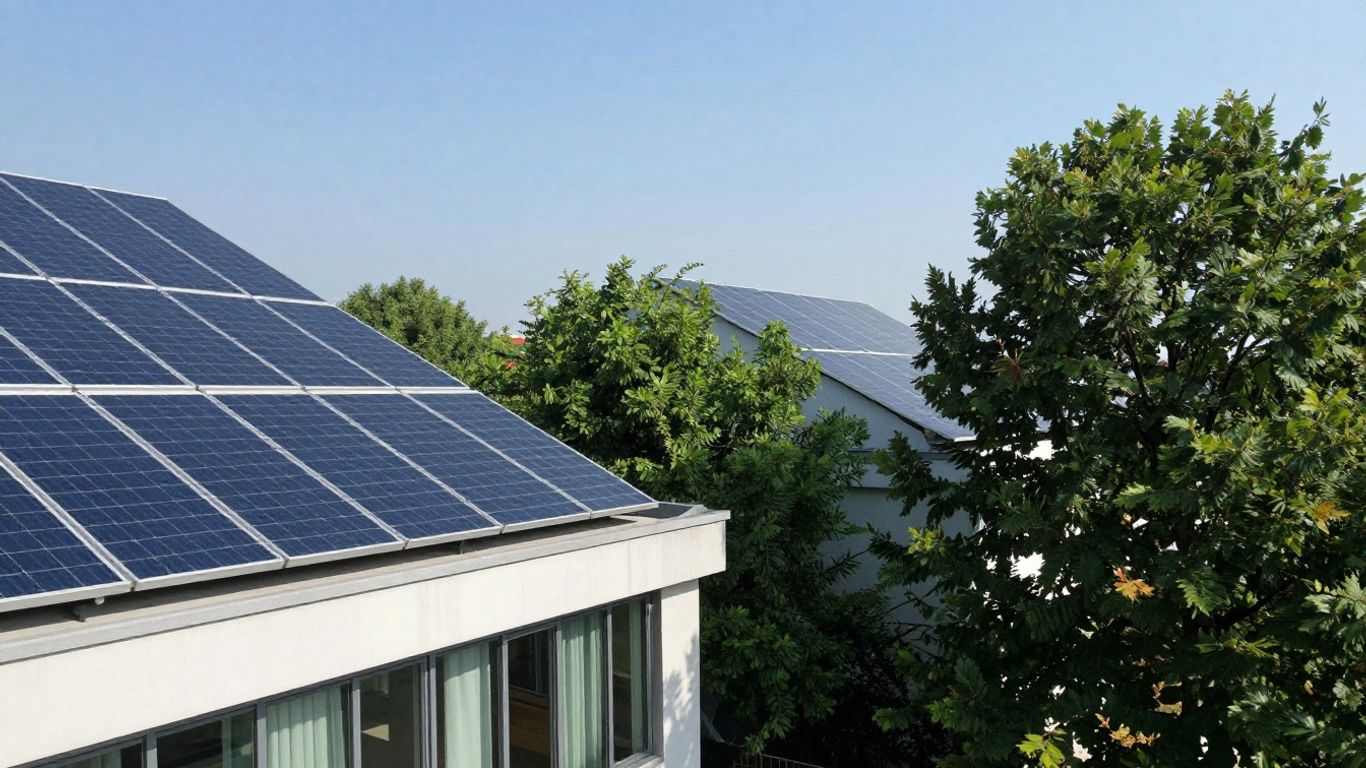
- For photovoltaic: The panels convert sunlight into electricity. This electricity then powers the air conditioner, functioning like a traditional appliance (with a compressor, coils, etc.). If you have a system with batteries, excess electricity is stored for later use.
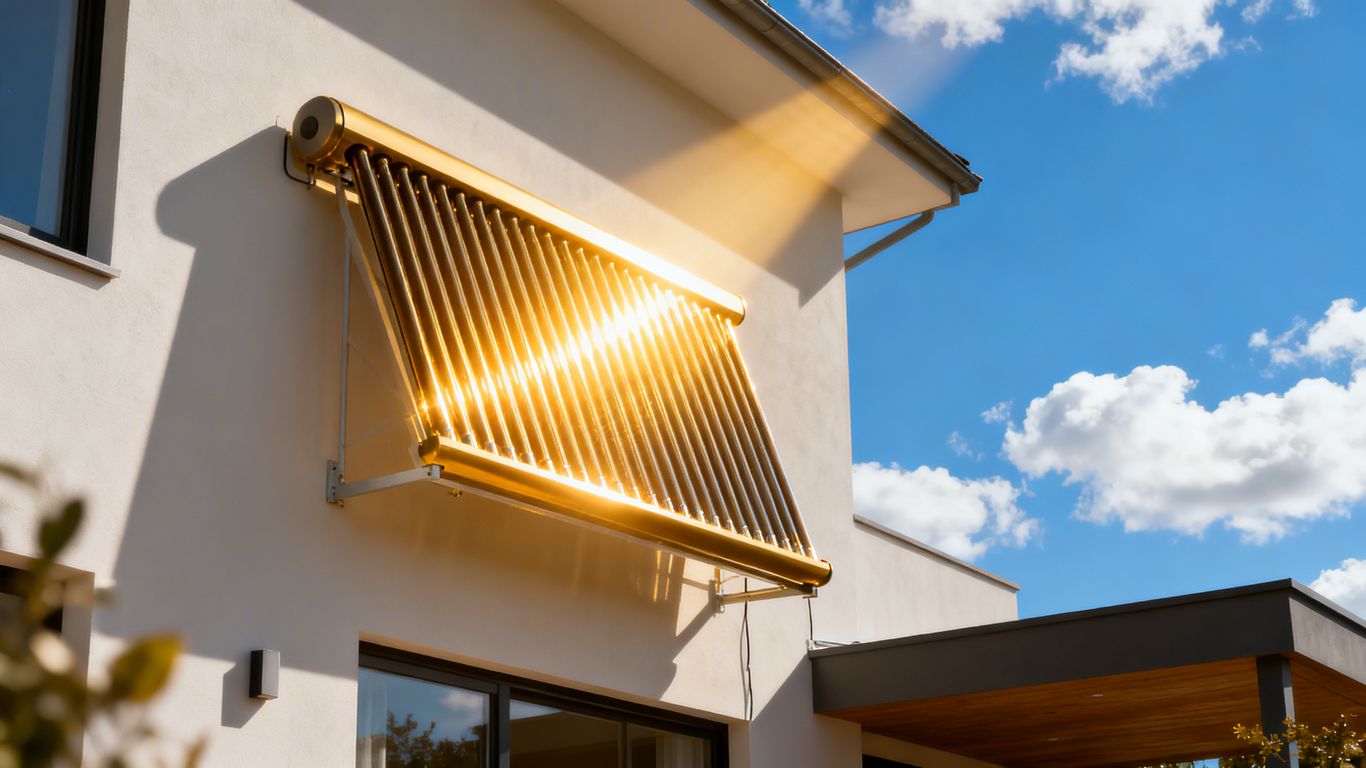
- For thermal: Here, the heat from the sun is used. This heat warms a fluid (often water) that then circulates in a system. This system can be an absorption machine that produces cool air thanks to this heat. It’s a bit different, but the result is the same: cool air without drawing electricity from the grid.
The main advantage is that the production of cool air is maximized when demand is highest, i.e., during hot and sunny days. It’s a perfect synchronization between need and available resources. You can even use solar heat in the winter for heating, just to say! The electricity consumption is also much lower compared to a traditional compressor.
The undeniable advantages of solar cooling
Are you wondering why so many people are turning to solar cooling? It’s simple, the benefits are really interesting, especially when looking at the long term. Forget about electricity bills skyrocketing during the intense heat; with solar, you take control of your comfort.
A gesture for the planet
This is perhaps the most obvious point, but it’s important. By using the sun’s energy, you reduce your dependence on fossil fuels. Less CO2 emitted, it’s good for the environment, and that’s priceless. You actively participate in the energy transition, and that’s a nice satisfaction.
Using the sun to cool off means choosing a clean and renewable solution. Your comfort no longer comes at the expense of the planet.
Savings on energy bills
So yes, the upfront investment may seem a bit higher, we won’t deny that. But think about how much you will save each month! Once your system is installed, the sun’s energy is free. Depending on your installation and consumption, you can see your electricity bills drop significantly, sometimes even by half. If you opt for a system with battery storage, you could even become completely independent from the grid during sunny hours, which means management costs close to zero. It’s an investment that pays off, and quite well.
Increased comfort and quiet technology
Imagine a bit: fresh and pleasant air at home, without the incessant noise of traditional air conditioners. Solar systems are often more discreet. Furthermore, with a storage system, you are less subject to power outages. You can even choose to use stored energy when grid rates are higher. It’s true peace of mind, especially during heatwaves. Additionally, these systems are designed to last and generally require less maintenance than traditional appliances, which simplifies your daily life.
The current challenges of solar cooling
So, the solar air conditioner sounds dreamy, right? Less bills, more green… But before taking the big step, it’s important to look closely at the stones in the path. Because yes, like any technology that steps a bit off the beaten path, there are some points to consider.
The initial investment cost
Let’s be honest, the first thing that raises eyebrows is the price. Installing a solar cooling system costs more upfront compared to a traditional air conditioner. We’re talking sometimes about 2,500 euros per kilowatt of cooling for solar, versus 800 euros for a traditional installation, according to what I’ve read. It’s thought-provoking, especially when the price of electricity remains fairly low for traditional systems. It’s a bit of a bet on the future, you understand? Spend more at first, but hope to recover it in the long run with energy savings.
Dependency on weather conditions
It makes sense, right? It works with the sun, so when there’s no sun, it works less well, or not at all. If you live in a region where the sun is generous all year round, that’s great. But if you have months of gloom or want cool air at night, you need to think about a storage system, often batteries. And that adds a bit more to the cost and complexity. Therefore, you need to carefully assess the irradiation of your region and your real needs.
Regulatory and technical aspects
It’s a technology still relatively new, and consequently, not everything is super simple yet. There is still a lot of research and development to optimize everything. Implementation can be more complex, especially to properly regulate the entire system. And then, we must admit that many people are still not very familiar with this type of cooling. This lack of knowledge can hinder its adoption, even though the benefits are there. The regulations also need to catch up to make things easier.
In summary, if you’re thinking about solar cooling, be prepared for a more substantial initial investment and dealing with the weather. It’s not yet plug-and-play as one might hope, but it’s progressing rapidly!
The concrete applications of solar cooling
So, where does this solar cooling technology really fit? Well, the possibilities are quite varied, and that’s where it gets interesting.
For your home
If you live in a region where the sun shines generously, a solar cooling system can be a great option for your home. Imagine being able to cool your interiors without driving up your electricity bills! Hybrid systems are particularly practical because they use solar energy when available and switch to the grid if necessary, ensuring constant comfort. It’s a smart way to reduce your carbon footprint while enjoying a pleasant home, even during the hottest days. Think about it, it’s a bit like having your renewable energy source for your comfort. You might even consider solutions such as those offered by Neo Solair for healthier air besides cooling.
For businesses and professional spaces
Businesses can also gain a lot. Offices, shops, or even laboratories that operate during the day, when the sun is at its zenith, are perfect candidates. The benefit is twofold: reducing operating costs thanks to free energy and demonstrating a strong commitment to sustainable development. This is an increasingly important topic for clients and partners. Additionally, some systems are designed to work even without being connected to the electrical grid, which can be a significant advantage.
Isolated and off-grid locations
Perhaps here, solar cooling reveals all its potential. For homes, lodges, or installations in remote areas where access to conventional electricity is challenging or non-existent, these systems offer a reliable, standalone solution. They allow for essential thermal comfort in places that were previously deprived of it. Energy autonomy thus becomes a reality, making these places more livable and functional. It’s a true revolution for access to comfort in difficult environments.
One of the big strengths of solar cooling is its ability to meet the need for cool air precisely when the sun is most generous. This natural adequacy between production and demand makes the system particularly efficient in sunny regions.
Here are some key points to remember for these applications:
- Adaptability: Whether it’s a single house, a large commercial building, or an isolated site, there are suitable solutions.
- Savings: The reduction in energy bills is a significant advantage, especially in the long term.
- Autonomy: Systems with battery storage offer valuable energy independence.
- Environmental impact: It’s a concrete step to reducing your ecological footprint.
The promising future of solar cooling
So, we have seen the advantages and the small challenges of the solar air conditioner. But what does the future hold? Frankly, it looks quite bright!
The evolution of costs and technology
You know, the big brake was the initial price. It’s true, installing a solar system requires an investment. But look at what’s happening: solar panel prices have plummeted in recent years and continue to do so. It’s a trend that should continue, so your installation will cost you less in the future. Moreover, manufacturers are constantly improving their machines. They are becoming more efficient, more reliable. We’re talking about systems that use sun heat to produce cool air, it’s pretty amazing. The cost of producing a kilowatt of cooling should get close to that of traditional systems. That’s good news for your wallet and for the planet.
Innovation serving comfort
Researchers are not sitting idle! They are working on solutions to make these systems even more effective. For instance, they are exploring how to better store the heat produced by the sun, to be able to use it even when there is no sun. This could happen through thermal storage systems or even geothermal solutions, although drilling still costs a lot. The idea is to ensure you optimal comfort without worrying about clouds. Imagine data centers in orbit that would use solar energy without the need for cooling! It’s a bit futuristic, but it shows the breadth of research. There is also an effort to simplify the integration of these systems, making them easier to install in your home or business. The goal is for you to enjoy cool air without a guilty conscience.
Towards wider adoption
The major issue is that many people are still not well acquainted with solar cooling. It’s normal; it’s a fairly recent technology. But the more it’s talked about, and the more installations are seen, the more it will spread. Companies are starting to take an interest in it to reduce their carbon footprint, and private individuals, especially in sunny regions. Homes and offices equipped with solar air conditioners gain value; it’s a weighty topic! And then, let’s be honest, who wouldn’t want to save on electricity bills while being ecological?
Solar cooling is a technology that truly has potential. Costs are decreasing, innovation is advancing rapidly, and more and more people are starting to understand its benefits. It’s a future solution for cooling off without polluting.
Standalone systems, for example, that function thanks to batteries, are perfect for places where the electrical grid is unreliable. It’s a real solution for isolated locations or rural areas. Maintenance is also simpler than that of traditional air conditioners, and the units are designed to last. In short, the future looks bright for solar cooling!
The sun shines and can power your home! Solar cooling is a brilliant idea to refresh your home while saving money and helping the planet. Imagine a system that uses the sun’s energy to keep you cool, without raising your electricity bill. It’s a rapidly developing technology that promises a greener and more comfortable future for everyone. Curious to learn more about how the sun can become your best ally against the heat? Visit our website to discover all the possibilities and how you can benefit from it today!
So, shall we dive in?
There you go, we’ve covered the issue thoroughly. The solar air conditioner is not yet a miracle solution for everyone, we will not deny it. It still costs a bit more initially and relies heavily on the sun’s presence. But frankly, when we see the efforts for the planet and the savings that can be made in the long term, it makes you want to dig a little deeper, doesn’t it? If you live in a sunny place and are looking for a greener alternative, it’s definitely worth taking a closer look. Who knows, maybe your next air conditioner will be powered by the sun!
Frequently Asked Questions
What exactly is solar cooling?
Imagine using the sun to cool your home! Essentially, solar cooling is using the sun’s energy to cool air, somewhat like a normal air conditioner, but without consuming grid electricity. It’s a great idea for the planet and for your wallet!
Does it work even when there’s no sun, like at night?
That’s a great question! The simpler systems work when there is sunlight. But there are systems with batteries that store sunlight energy during the day for use at night. Other systems can also use a bit of electricity from the grid if needed, that’s what we call hybrid systems.
Is it expensive to install a solar air conditioner?
Initially, it may cost a bit more than a classic air conditioner. It’s true that the upfront investment can be a thought-provoking factor. But think about the savings you will make on electricity bills every month, and that lasts for a long time! There are often also grants to help with the payment.
Does it cool as well as a normal air conditioner?
Yes, it can cool just as well, or even better in certain conditions! The advantage is that the sun shines more when it’s hottest, so the system is super efficient when you need it most. Technologies are continuously improving to ensure good comfort.
Can I install it in my home, even if I live in the city?
Absolutely! Whether you live in a house with a garden or an apartment with a balcony, there is often a solution. You can install solar panels on your roof, or even more compact systems. It’s an interesting option to make your home more eco-friendly and economical.
Will it really help the environment?
That’s exactly the point! By using the sun’s energy, you reduce your electricity consumption, which often stems from not-so-clean sources. Less electricity consumed means less pollution and fewer greenhouse gases. It’s a concrete gesture to take care of our planet.