Have you heard of solar air conditioning, but you’re wondering if it’s really a good idea for you? It’s true, we hear a lot of things, and sometimes it can seem a bit complicated. The idea of cooling your home using the sun sounds good, doesn’t it? But does it really work, especially when it’s grey? We’ll look together at what it is, what it offers, and also the little snags you need to know before you dive in. It’s a technology that’s gaining ground, and it’s normal to want to understand before taking the plunge.
Key Takeaways on solar air conditioning
- Solar air conditioning uses the sun’s energy to cool, which is great for the planet and for your wallet in the long run.
- There are systems that run 100% on solar power (off-grid) and others that supplement with grid electricity (hybrid).
- The main drawback is the initial cost, which is still quite high compared to conventional air conditioners.
- It depends a lot on the weather: the more sun there is, the better it works. On cloudy days, it’s less effective.
- Even though it’s still new for many, the technology is improving and prices are expected to fall, making solar air conditioning more accessible.
Understanding Solar Air Conditioning: The Basics
Hi there! So, you’re wondering how this famous solar air conditioning works, right? It’s not that complicated, actually. Imagine being able to cool your home or office using just the sun’s energy. Pretty cool, isn’t it?
What is Solar Air Conditioning?
Basically, solar air conditioning is a way to cool a space using the sun’s energy as the primary source. Unlike conventional air conditioners that draw their power from the electrical grid, these harness the sun’s rays. The idea is to produce cold when it’s hottest, precisely when the sun is most generous. It’s a technology that’s gaining ground, especially with environmental concerns and rising electricity prices. It helps reduce our dependence on fossil fuels and do our bit for the planet.
Different Types of Solar Air Conditioners
There are mainly two broad categories of solar air conditioners:
- Hybrid Systems: These are quite clever. They work by combining solar energy with grid electricity. When there’s plenty of sun, they use this free energy. If the sky is a bit cloudy or you need more power, they switch to the grid. This ensures you always have cool air, regardless of the weather.
- 100% Solar Systems (Off-Grid): Here, we’re fully committed to solar. These units run solely on the sun’s energy. Often, they are equipped with batteries to store the energy produced during the day. This means you can even have cool air at night or when there’s no sun. It’s perfect for very sunny regions or places where the electricity grid is unreliable.
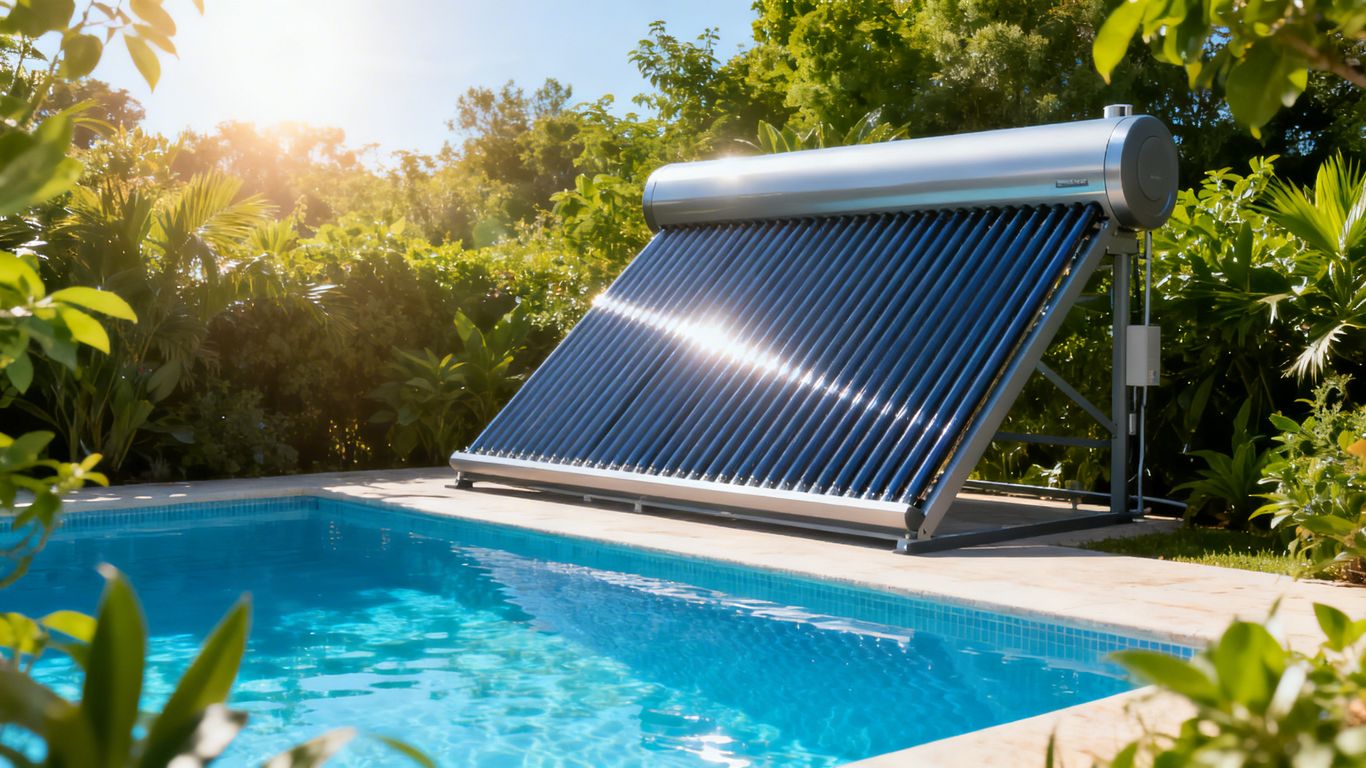
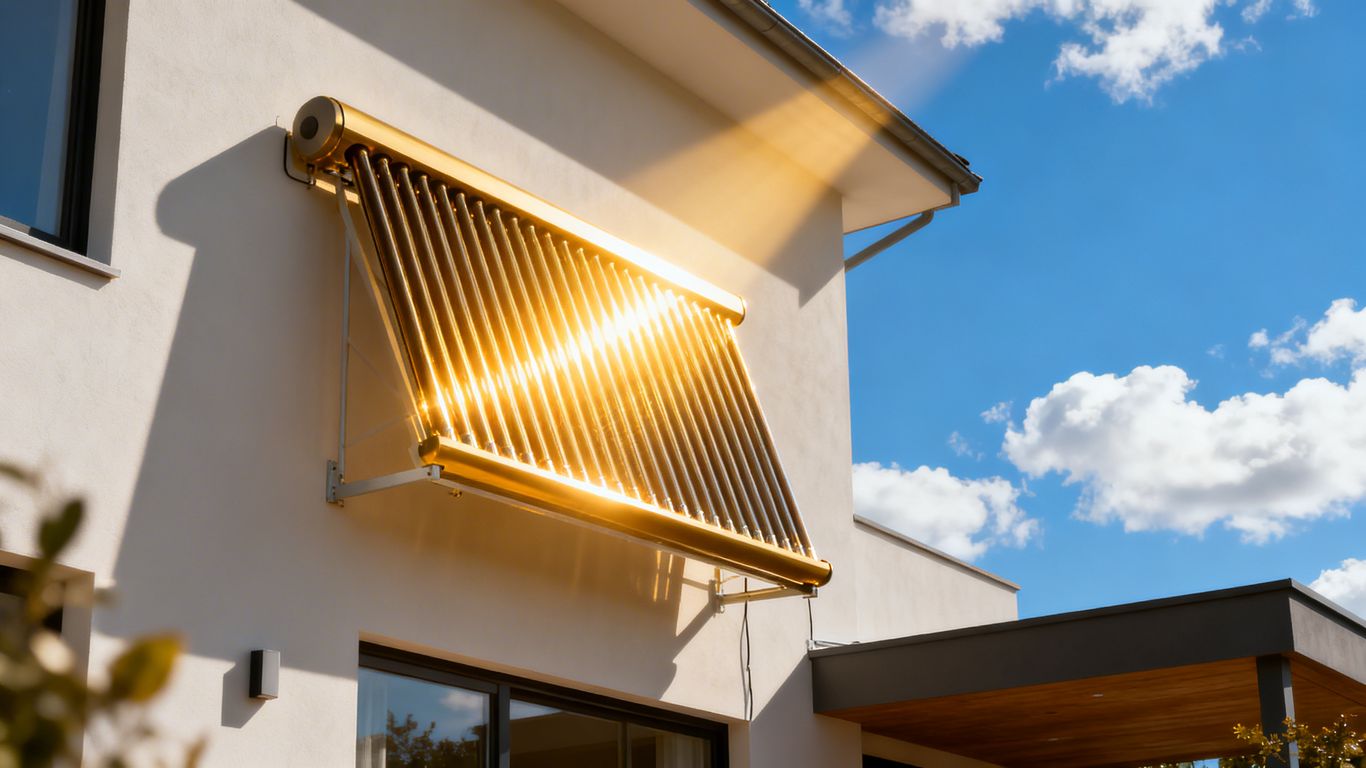
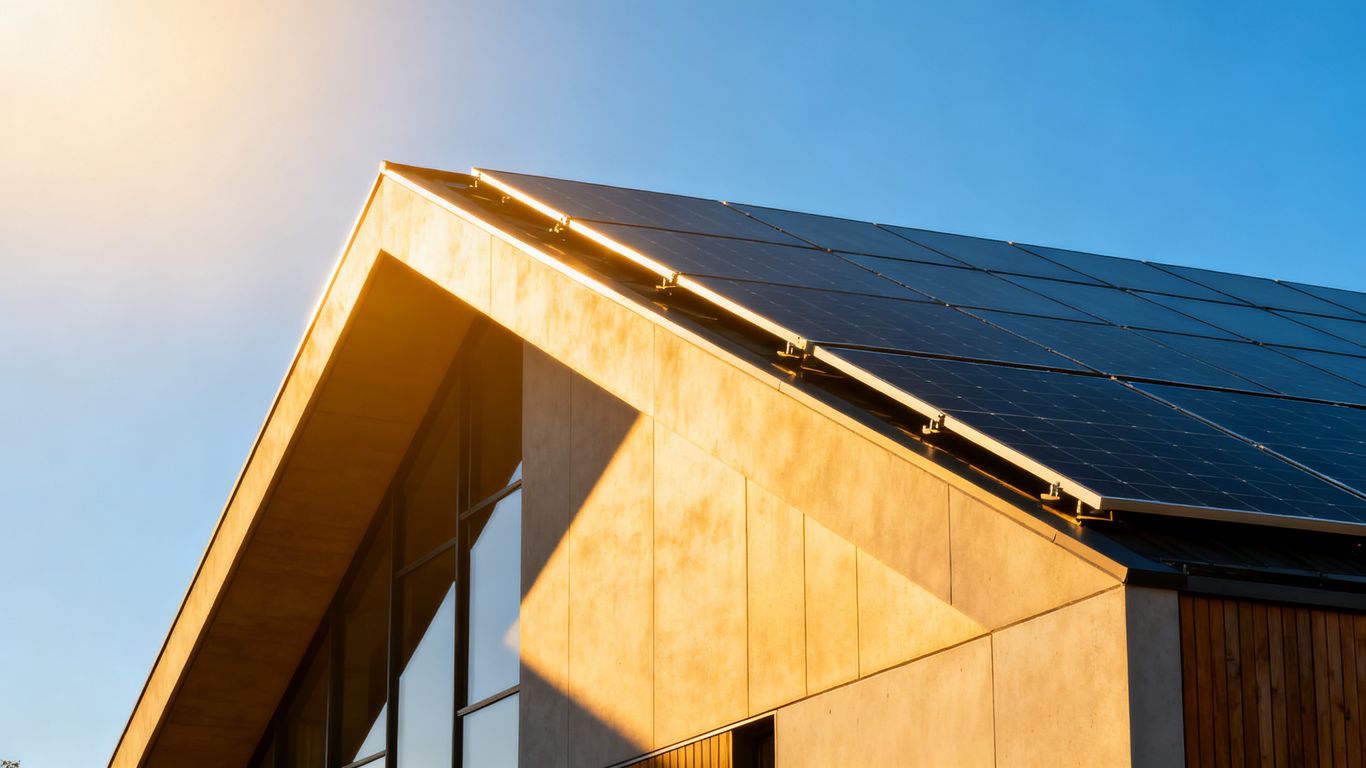
There’s also a distinction between *photovoltaic* solar air conditioning (which uses electricity produced by solar panels to run a conventional air conditioner) and *solar thermal* air conditioning (which uses the sun’s heat to produce cold, often via absorption machines).
How Does Solar Air Conditioning Work?
The basic principle is quite simple. Solar panels, whether photovoltaic or thermal, capture the sun’s energy.
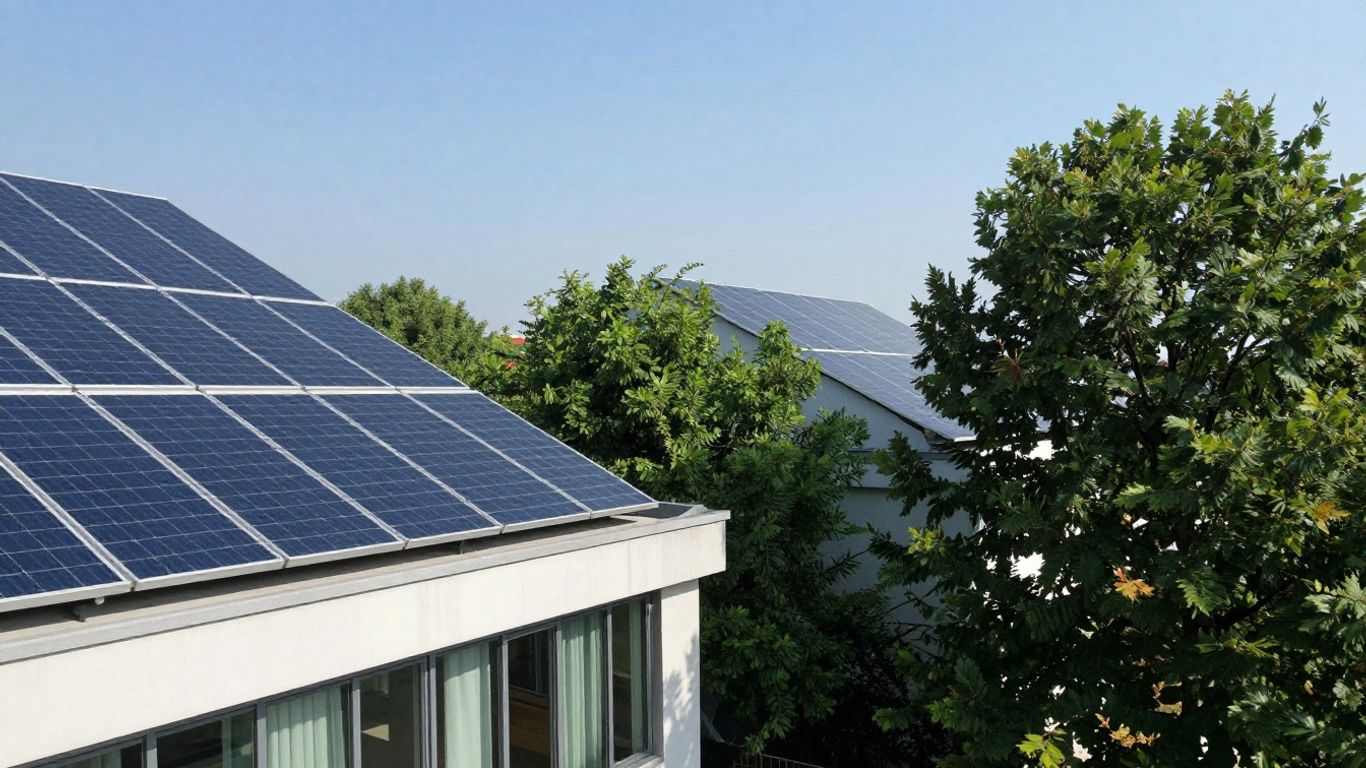
- For Photovoltaic: The panels convert sunlight into electricity. This electricity then powers the air conditioner, which functions like a conventional unit (with a compressor, coils, etc.). If you have a system with batteries, the excess electricity is stored for later use.
- For Thermal: Here, we use the sun’s heat. This heat warms a fluid (often water) which then circulates through a system. This system can be an absorption machine that, thanks to this heat, produces cold. It’s a bit different, but the result is the same: cool air without consuming grid electricity.
The major advantage is that cold production is at its maximum when demand is highest, i.e., during hot, sunny days. It’s a perfect synchronisation between need and available resource. You can even use solar heat in winter for heating, believe it or not! Electrical consumption is also much lower than with a conventional compressor.
The Undeniable Advantages of Solar Air Conditioning
Wondering why so many people are turning to solar air conditioning? It’s simple, the benefits are really interesting, especially when you look at the long term. Forget about electricity bills skyrocketing during heatwaves; with solar, you take control of your comfort.
A Gesture for the Planet
This is perhaps the most obvious point, but it’s important. By using the sun’s energy, you reduce your dependence on fossil fuels. Less CO2 emitted is good for the environment, and that’s priceless. You actively participate in the energy transition, and that’s a great satisfaction.
Using the sun to cool yourself is choosing a clean and renewable solution. Your comfort is no longer at the planet’s expense.
Savings on Your Energy Bills
Yes, the initial investment might seem a bit higher, let’s not lie. But think about what you’ll save each month! Once your system is installed, the sun’s energy is free. Depending on your setup and consumption, you can see your electricity bills drop significantly, sometimes by half. If you opt for a system with battery storage, you can even become completely independent of the grid during daylight hours, meaning running costs close to zero. It’s an investment that pays for itself, and rather well.
Increased Comfort and Quiet Technology
Just imagine: cool, pleasant air in your home, without the incessant noise of traditional air conditioners. Solar systems are often quieter. Plus, with a storage system, you’re less prone to power outages. You can even choose to use stored energy when grid tariffs are higher. It’s real peace of mind, especially during heatwaves. Furthermore, these systems are designed to last and generally require less maintenance than conventional appliances, simplifying your daily life.
Current Challenges of Solar Air Conditioning
So, solar air con, it sounds dreamy, right? Lower bills, more green… But before you take the plunge, you need to look at the little pebbles on the path. Because yes, like any technology that goes a bit off the beaten track, there are a few points to consider.
The Initial Investment Cost
Let’s be honest, the first thing that makes you pause is the price. Installing a solar air conditioning system costs more upfront than a conventional one. We’re sometimes talking about €2,500 per kilowatt of cooling for solar, compared to €800 for a conventional installation, according to what I’ve read. That makes you think, especially when you see how electricity prices are still quite low for conventional systems. It’s a bit of a gamble on the future, you see? You spend more at the start, but you hope to make it back in the long run with energy savings.
Dependence on Weather Conditions
It’s logical, isn’t it? It runs on the sun, so when there’s no sun, it works less well, or not at all. If you live in a region where the sun is generous all year round, that’s great. But if you have months of grey skies or want cool air at night, you need to consider a storage system, often batteries. And that adds a bit more to the cost and complexity. Therefore, you need to carefully assess the sunshine in your region and your actual needs.
Regulatory and Technical Aspects
It’s still a fairly new technology, and as a result, not everything is super straightforward yet. There’s still a lot of research and development to optimise it all. Implementation can be more complex, especially for fine-tuning the entire system. And then, we have to admit that many people still don’t know much about this type of air conditioning. This lack of knowledge can hinder its adoption, even if the benefits are there. Regulations also need to keep pace to facilitate things.
In short, if you’re considering solar air con, be prepared for a higher initial investment and to have to deal with the weather. It’s not yet plug-and-play as we might hope, but it’s progressing fast!
Concrete Applications of Solar Air Conditioning
So, where does this solar air conditioning technology really find its place? Well, the possibilities are quite varied, and that’s where it gets interesting.
For Your Home
If you live in a region where the sun shines generously, a solar air conditioning system can be an excellent option for your home. Imagine being able to cool your interior without your electricity bills soaring! Hybrid systems are particularly practical, as they use solar energy when it’s available and switch to the grid if needed, ensuring constant comfort. It’s a smart way to reduce your carbon footprint while enjoying a pleasant home, even during the hottest days. Think about it, it’s a bit like having your own renewable energy source for your comfort. You could even consider solutions like those offered by Neo Solair for healthier air in addition to cooling.
For Businesses and Professional Premises
Businesses also have a lot to gain. Offices, shops, or even workshops that operate during the day, when the sun is at its zenith, are perfect candidates. The advantage is twofold: reducing operating costs thanks to free energy and demonstrating a strong commitment to sustainable development. This is an increasingly important argument for customers and partners. Furthermore, some systems are designed to operate even without being connected to the electrical grid, which can be a major asset.
Remote and Off-Grid Locations
This is perhaps where solar air conditioning reveals its full potential. For homes, shelters, or installations in remote areas, where access to conventional electricity is difficult or non-existent, these systems offer a reliable, self-sufficient solution. They provide essential thermal comfort in places that were deprived of it. Energy independence then becomes a reality, making these places more habitable and functional. It’s a real revolution for access to comfort in challenging environments.
One of the great strengths of solar air conditioning is its ability to meet the need for cold precisely when the sun is most generous. This natural match between production and demand makes the system particularly efficient in sunny regions.
Here are some key points to remember for these applications:
- Adaptability: Whether for a single-family home, a large commercial building, or a remote site, there are suitable solutions.
- Savings: Reduced energy bills are a significant advantage, especially in the long term.
- Autonomy: Systems with battery storage offer valuable energy independence.
- Environmental Impact: It’s a concrete step towards reducing your ecological footprint.
The Promising Future of Solar Air Conditioning
So, we’ve looked at the advantages and minor challenges of solar air con. But what awaits us next? Frankly, it looks pretty good!
Evolution of Costs and Technology
You know, the big hurdle was the initial price. It’s true, installing a solar system requires an investment. But look at what’s happening: the prices of solar panels have dropped in recent years, and they continue to do so. This is a trend that should continue, so your installation will cost you less in the future. In addition, manufacturers are constantly improving their machines. They are becoming more efficient, more reliable. We’re talking about systems that use the sun’s heat to produce cold, which is quite impressive. The cost of producing a kilowatt of cold should approach that of conventional systems. That’s good news for your wallet and for the planet.
Innovation for Comfort
Researchers aren’t slacking off! They are working on solutions to make these systems even more efficient. For example, we’re exploring how to better store the heat produced by the sun, so it can be used even when there’s no sun. This could involve thermal storage systems or even geothermal solutions, although drilling is expensive for now. The idea is to guarantee you optimal comfort, without worrying about the clouds. Imagine orbital data centres using solar energy without needing air conditioning! It’s a bit futuristic, but it shows the scale of the research. We’re also looking to simplify the integration of these systems, to make them easier to install in your home or business. The goal is for you to enjoy cool air without guilt.
Towards Wider Adoption
The big problem is that many people still don’t know much about solar air conditioning. That’s normal, it’s a fairly recent technology. But the more we talk about it, the more installations we see, the more it will become widespread. Companies are starting to take an interest in it to reduce their carbon footprint, and individuals too, especially in sunny regions. Homes and offices equipped with solar air con are increasing in value, which is a strong argument! And let’s be honest, who wouldn’t want to save money on their electricity bills while being eco-friendly?
Solar air conditioning is a technology with real potential. Costs are falling, innovation is advancing rapidly, and more and more people are beginning to understand its benefits. It’s a future solution for cooling without polluting.
Autonomous systems, for example, which run on batteries, are perfect for places where the electricity grid is unreliable. It’s a real solution for remote locations or rural areas. Maintenance is also simpler than for conventional air conditioners, and the units are designed to last a long time. In short, the future looks bright for solar air con!
The sun is shining and it can power your home! Solar air conditioning is a brilliant idea for cooling your home while saving money and helping the planet. Imagine a system that uses the sun’s energy to keep you cool, without your electricity bill soaring. It’s a rapidly developing technology that promises a greener, more comfortable future for everyone. Curious to learn more about how the sun can become your best ally against the heat? Visit our website to discover all the possibilities and how you can benefit from them today!
So, Shall We Go For It?
There you have it, we’ve covered the topic. Solar air con isn’t yet the miracle solution for everyone, let’s not kid ourselves. It’s still a bit expensive at first and it depends quite a bit on the sunshine. But frankly, when you consider the efforts for the planet and the savings you can make in the long term, it makes you want to dig a little deeper, doesn’t it? If you live in a sunny spot and are looking for a greener alternative, it’s really worth looking into it more closely. Who knows, maybe your next air conditioner will be powered by the sun!
Frequently Asked Questions
What exactly is solar air conditioning?
Imagine using the sun to cool your home! Basically, solar air conditioning is using the sun’s energy to cool the air, a bit like a normal air conditioner, but without consuming grid electricity. It’s a great idea for the planet and for your wallet!
Does it work even when there’s no sun, like at night?
That’s an excellent question! The simplest systems work when there’s sun. But there are systems with batteries that store solar energy during the day to use it at night. Other systems can also use a bit of grid electricity if needed; these are called hybrid systems.
Is it expensive to install a solar air conditioner?
At first, it can be a bit more expensive than a conventional air conditioner. It’s true that the initial investment can make you think. But think about the savings you’ll make on your electricity bills each month, and that lasts a long time! Often, there are also grants to help with the cost.
Does it cool as well as a normal air conditioner?
Yes, it can cool just as well, or even better in certain conditions! The advantage is that the sun shines brightest when it’s hottest, so the system is super efficient when you need it most. Technologies are constantly improving to ensure good comfort.
Can I install this at home, even if I live in the city?
Absolutely! Whether you live in a house with a garden or an apartment with a balcony, there’s often a solution. Solar panels can be installed on your roof, or even more compact systems. It’s an interesting option to make your home more ecological and economical.
Will it really help the environment?
That’s the whole point! By using solar energy, you reduce your electricity consumption, which often comes from not-so-clean sources. Less electricity consumed means less pollution and fewer greenhouse gases. It’s a concrete step towards taking care of our planet.