Are you wondering if a solar radiator can really heat your home? That’s a great question, especially with rising energy bills and the desire to do something for the planet. We will look together at how it works, if it’s suitable for your home and the climate where you live, and of course, how much it costs. Ready to find out if the sun can become your new main heating system?
Key Points to Remember
- The solar radiator is a system that captures solar energy and transforms it into heat for your home. It consists of thermal solar panels, a storage tank, pipes, and heat emitters such as radiators or underfloor heating.
- For it to work optimally, you need to match the size of the collectors to the area of your house and choose the right type of panel according to your climate: vacuum collectors for cold, flat collectors for sunny southern areas.
- The benefits are clear: you save money on your energy bills, reduce your environmental impact by using clean energy, and enjoy pleasant and consistent heat.
- The upfront investment for a solar radiator system might seem high, but you have to think about the long-term return on investment. Additionally, financial assistance is available to reduce the initial cost.
- Professional installation is important to ensure the efficiency and longevity of your system. Regular maintenance is also necessary for everything to work properly, and the solar radiator can be supplemented with a backup system if needed.
Understanding the Functioning of the Solar Radiator
What is a solar heating system for the home?
So, you’re wondering how the sun can warm your home, right? It’s not magic, but almost! A solar heating system is essentially a setup that captures solar energy and transforms it into heat. Think of it as a big invisible hand that grabs sunlight and uses it to warm the water that will then circulate through your radiators or underfloor heating. It’s a great way to reduce your electricity or gas bill while doing something for the planet. The idea is to take advantage of free and renewable energy for your comfort. It can cover a good part of your needs, often between 40% and 60%, depending on where you live and how your system is configured.
The Key Components of a Thermal Solar Installation
For it to work, several parts need to work together. Here are the most important:
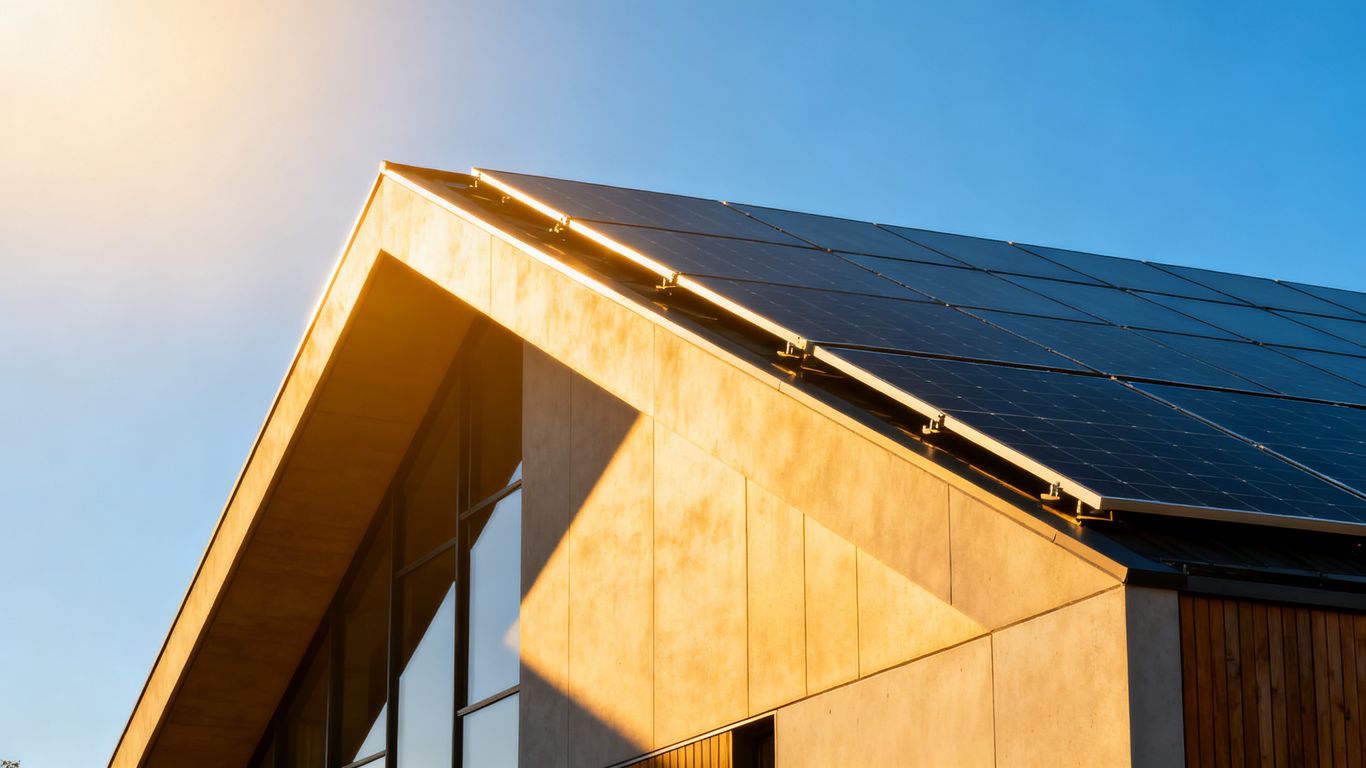
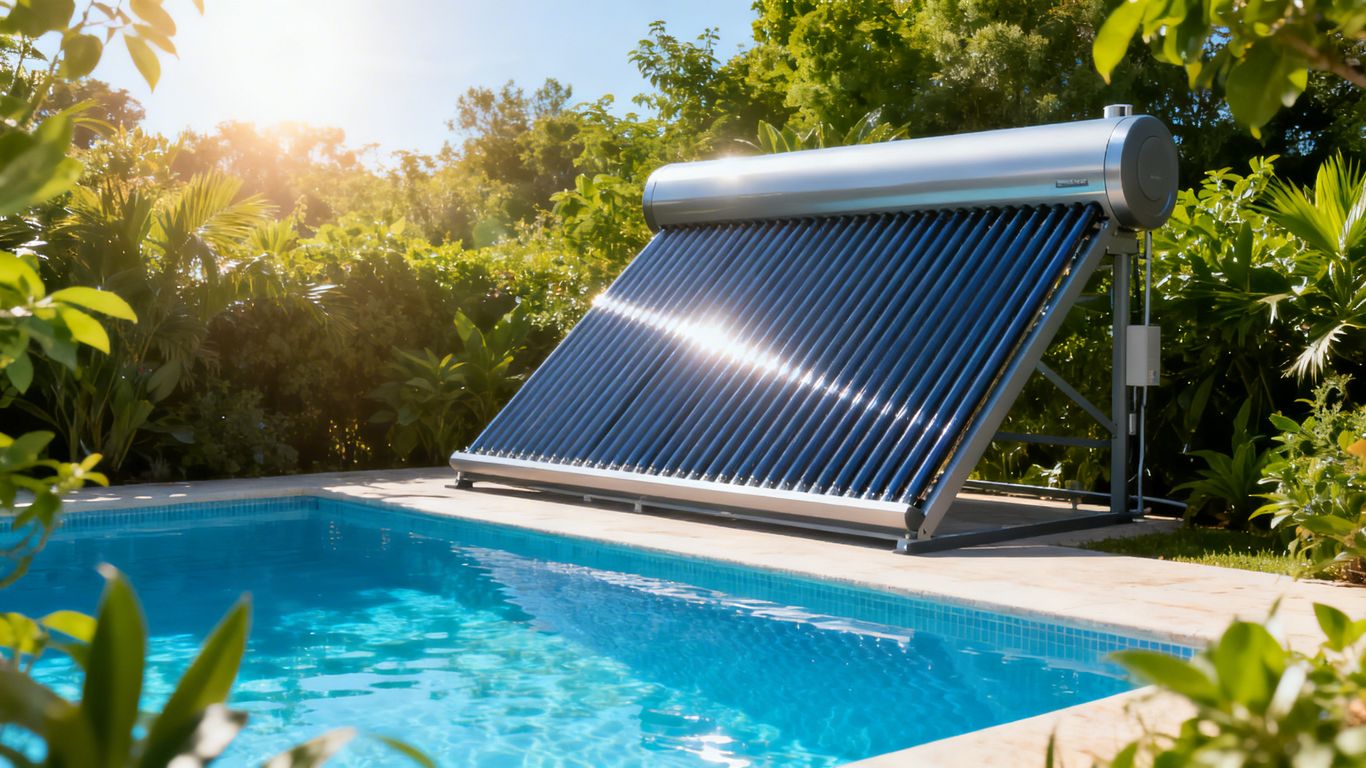
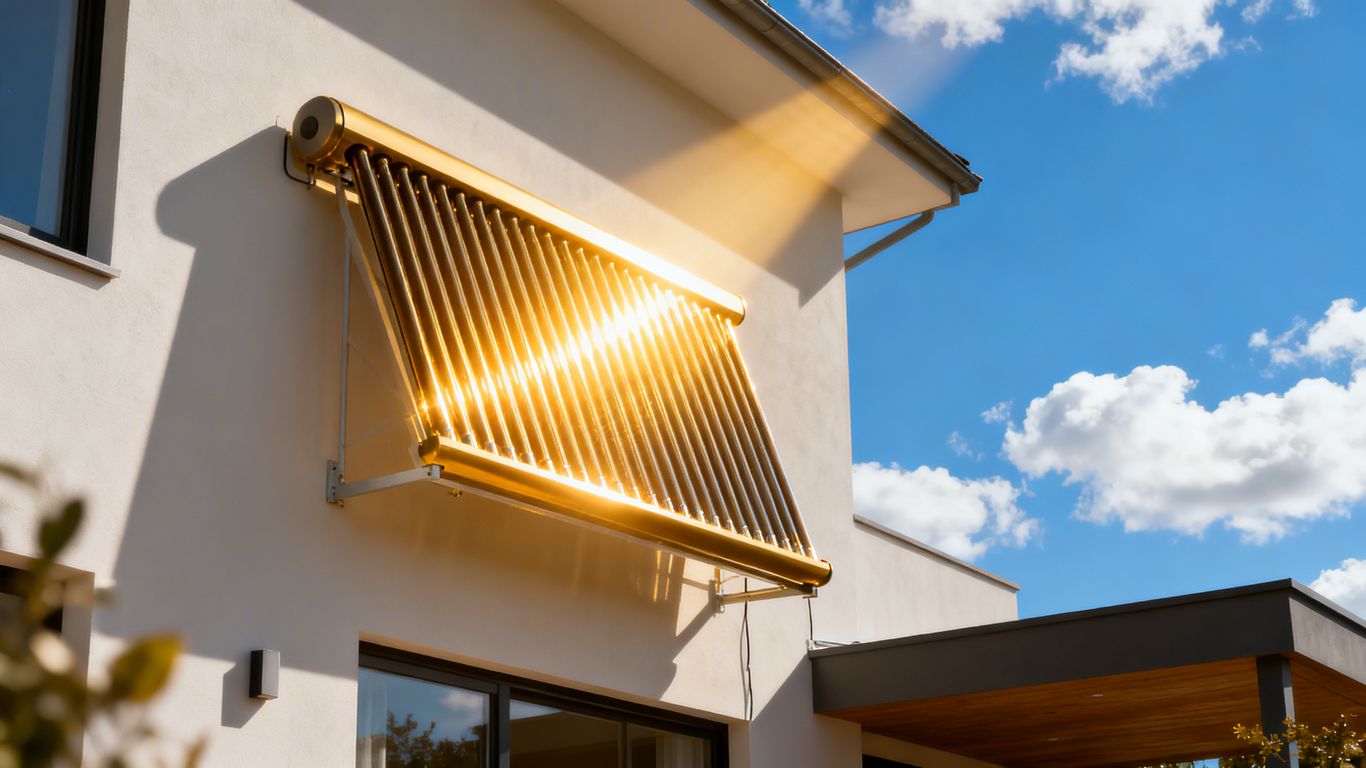
- Thermal solar collectors: These are the ones that catch the sun. They are generally installed on your roof, well exposed. They absorb light and transform it into heat. There are several types, such as flat collectors or vacuum tubes, each having its advantages depending on the climate.
- The storage tank: It’s like a big insulated kettle. It serves to keep the hot water produced by the collectors so that you can use it later, for example, when there’s no sun (at night or when it’s cloudy).
- The circulation pump and piping: These elements move the fluid (usually a mixture of water and antifreeze) between the collectors, the tank, and your heating system. It needs to be well insulated so that heat does not get lost along the way.
- The control system: This is the brain of the installation. It monitors temperatures, manages the circulation of the fluid, and decides when to call for a backup system.
- The backup system: Because the sun doesn’t always shine as much as we would like, you need a traditional heating system (boiler, electric radiators…) to take over when solar energy is insufficient.
How is solar energy transformed into heat?
It’s actually quite simple. When sunlight hits the solar collectors, it heats a special plate inside. This heat is then transferred to a heat transfer fluid, which is generally a mixture of water and antifreeze to prevent it from freezing in winter. This hot fluid then circulates through pipes, a bit like blood in your veins, to either directly heat the water in your heating circuit or to fill the storage tank. The tank keeps this heat warm, ready to be used when you need it. It’s like putting a pot of water in the sun to warm it up, but in a much more sophisticated and efficient version! The glazing of the collectors plays a key role by creating a greenhouse effect, trapping the heat inside.
Adapting Your Solar Radiator to Your Home and Climate
Hello! So, to make your solar radiator work at its best, you need to think about a few important things. It’s a bit like choosing the right outfit for the weather; it has to fit your home and the area where you live.
Choosing the Right Size of Solar Collectors According to the Area
The first thing is to accurately calculate the size of the collectors. Basically, it is said that one square meter of collector can heat about 10 m² of surface. But be careful, that’s an average! It depends on a lot of things: the size of your house, whether it is well insulated, and of course, how much sun you get where you live. For a house of 100 to 200 m², you will need between 10 and 20 m² of collectors. For a smaller apartment, around 50 to 80 m², 5 to 8 m² should be enough. It’s better to seek advice from a professional to avoid making mistakes and ensure you have just the right capacity.
Adapting the System According to the Type of Housing (House, Apartment)
Your home is not just a surface; it’s also a configuration. A single-family home can accommodate more collectors, perhaps even on the roof and on the ground if necessary. You can also consider a system to heat the shower and tap water at the same time. For an apartment, it’s more complicated. Often, we are limited to a balcony or a small flat panel, and you need the agreement of the co-ownership. The idea is to see what is possible and what is really useful for you.
What Type of Collector for Which Climate?
The climate plays a huge role! If you are in the north, where it is colder and often gray, you need vacuum tubular collectors. They are super efficient even when the weather is not very nice. On the other hand, if you live in the south, where the sun shines brightly, flat panels will do just fine. They are often cheaper and in sunny weather, they heat very well. Basically, your system needs to be adapted to capture the maximum energy, regardless of the local weather.
Make sure to consider the orientation of your collectors. Due south is ideal, with a good tilt so that the sun hits them best throughout the year. If your roof is not the right way, there are solutions to fix them on a wall or even on the ground, but make sure nothing casts a shadow on them during the day.
The Advantages of Choosing a Solar Radiator
Saving on Your Energy Bills
Opting for a solar radiator is a smart choice for your wallet. Imagine no longer having to endure the constant increases in energy prices! Thanks to free and inexhaustible solar energy, you can significantly reduce your consumption of gas or electricity. We often talk about reductions of 40% to 70% on your heating and hot water needs. That’s quite something when you think about it. It’s an investment that pays off in the long term, allowing you to make substantial savings year after year.
Contributing to the Protection of the Environment
Beyond savings, choosing solar is also a gesture for the planet. By using clean energy, you directly reduce your carbon footprint. Say goodbye to CO₂ emissions related to fossil fuel combustion. It’s a concrete way to participate in the energy transition and leave a healthier environment for future generations. It’s a bit like your house becoming a small ecological power plant.
Enjoying Soft and Comfortable Heat
Just because it’s ecological doesn’t mean it’s not comfortable! On the contrary. Thermal solar systems, especially when combined with low-temperature emitters like underfloor heating or suitable radiators, provide a very pleasant heat. It’s a soft, even warmth that doesn’t dry out the air. You will feel good at home, without that dry heat often uncomfortable with other systems. It’s a thermal comfort that can transform everyday life.
Here’s a little summary of the benefits:
- Drastic reduction in your energy bills.
- Decreased environmental impact.
- Improved thermal comfort of your home.
- Increased value of your property.
Choosing a solar radiator is investing in your comfort, in your savings, and in the future of our planet. It’s a holistic approach that makes sense.
The Cost and Profitability of a Solar Radiator
What is the initial investment for a thermal solar system?
So, let’s talk money! Installing a thermal solar system represents a certain budget upfront. We generally talk about a cost that can vary between €8,000 and €22,000 or more, depending on the size of your house and the complexity of the installation. For a house of about 120 m², you should budget around €15,000. It’s an investment, that’s for sure, but think of it like a stone that will earn you a lot in the long term.
How to Calculate the Return on Investment?
This is where it gets interesting. The return on investment (ROI) depends on several factors: the initial cost, the savings you will make on your energy bills, and the financial aid you can get. In general, the payback period is between 6 and 12 years. The more efficient your installation is and the better the sunlight, the quicker you recoup your investment. There are even online simulators, like CalSol, that can help you estimate this ROI more precisely for your situation.
Financial Aid to Reduce the Cost
Good news: you’re not alone facing this investment! The state and local authorities offer various financial aids to help you take the plunge. MaPrimeRénov’ is one of the main national aids. These grants can significantly alleviate the initial cost and thus shorten the payback period. Be sure to check with the relevant organizations to know all the options available for your project. Often, the RGE-certified professional will be able to guide you best.
Here’s a little overview of costs and profitability; it can help you see more clearly:
| Heated Area (m²) | Initial Cost (EUR) | Annual Maintenance (EUR) | Return on Investment (Years) |
|---|---|---|---|
| 60–90 | 5,000–9,000 | 100–400 | 8–12 |
| 90–120 | 8,000–13,000 | 200–600 | 7–11 |
| 120–180 | 12,000–22,000 | 400–1,000 | 6–10 |
Don’t forget that these figures are averages. Your own return on investment will depend on your location, your consumption habits, and the price of energy in your area.
The Installation and Maintenance of Your Solar Radiator
So, you’ve decided to take the plunge and install a solar heating system? Great idea! But before you get started, let’s talk a bit about the installation and what needs to be done to make it last.
The Key Steps to Install a Thermal Solar System
Installing a solar system is not like putting together an IKEA furniture; there are a few important steps to follow. Here’s roughly how it goes:
- The installation of solar collectors: This is the heart of the system. They are generally placed on the roof, ideally oriented south and with a good tilt (often between 45° and 60° to optimize production in winter). You need to make sure they are firmly fixed, as the wind can be strong!
- The installation of the storage tank: This is where the water heated by the sun will be stored. It should be placed as close to the collectors as possible to limit heat losses in the pipes.
- The hydraulic connection: This involves connecting the collectors to the tank and the tank to your heating system (radiators, underfloor heating…). The pipes must be well insulated to prevent heat loss.
- The installation of the backup system: As the sun doesn’t always shine, you need a system to take over (boiler, electric radiator…). It will be connected to the solar system.
- The electrical connection and regulation: Everything needs to be connected, and the system which will manage everything has to be installed to ensure it heats when necessary and doesn’t overheat in summer.
The Importance of Professional Installation
Honestly, even if you’re handy, I really advise you to hire a professional for the installation. Why? Because it’s a system that requires specific skills in plumbing, electricity, and even a bit of roofing. A qualified installer will ensure everything is done correctly, that your installation is safe, and that it will function optimally. It’s an investment, but it avoids many problems and guarantees the performance of your system in the long run. Looking for an RGE-certified artisan is often a good idea; it can also make you eligible for financial aid.
What Maintenance to Ensure the Longevity of Your System?
Once everything is installed, you need to consider maintenance. It’s not too crazy, but it’s important. In general, an annual check is sufficient.
- Check the heat transfer fluid: Especially if you’re in an area where it freezes, make sure the antifreeze mixture is still good to protect the circuit.
- Clean the collectors: Dust, leaves, can reduce efficiency. A little cleaning from time to time, especially after winter, doesn’t hurt.
- Check the pressure and leaks: You need to make sure everything is well sealed and that the pressure is correct in the circuit.
- Have the regulation checked: Ensure that the control system functions well to optimize production and prevent overheating.
The risk of overheating in summer is the main weak point of thermal solar panels. When heating needs are low, the panels can reach very high temperatures, which can wear out the equipment faster. Some modern systems can empty themselves automatically to avoid this, or the regulation can be set to limit production when there’s too much sun and not enough demand.
In summary, a good professional installation and regular maintenance are the keys to enjoying your solar heating for many years without hassle.
Solar Radiator: A Solution for Heating the Entire House
So, we’ve seen how it works, how to choose it, its advantages, and even its cost. But can this system really take care of all the heating for your house? The answer is a big yes, but with a few tricks and supplements.
Combining the Solar Radiator with Underfloor Heating
This is a combination that works really well. Underfloor heating, you know, those pipes under the floor that distribute soft and even heat, is the perfect partner for your solar system. Why? Because it operates at low temperatures. Your solar panels produce hot water, and this water circulates through the floor. This allows you to heat your home in a super comfortable way, without feeling like you’re in an oven. Thermal comfort is truly guaranteed with this combination. It’s like having a heated blanket under your feet, but on a whole-house scale.
Using the Solar Radiator for Domestic Hot Water
It’s not just for heating, you know! Your solar installation can also take care of your hot water. Whether it’s for your shower, dishes, or even to fill the kids’ small inflatable pool in summer (okay, maybe not for that!), the sun can do the job. A dedicated storage tank collects heat from the panels and allows you to have hot water when you need it. This saves you money on your electricity or gas bill, and besides, it’s good for the planet. It’s a bit of a double advantage: less spending and less pollution.
The Role of the Backup System
Well, let’s be honest, the sun doesn’t always shine, especially in winter or when the sky is all gray. That’s where the backup system comes in. It’s a kind of Plan B for your solar heating. It can be your old gas boiler, a wood stove, or even electric heating. When the solar panels are no longer sufficient to heat your home or produce enough hot water, the backup system automatically takes over. The idea is to never be cold, even when Mother Nature takes a nap. Just make sure this backup system is well set up so it doesn’t consume more than necessary and keeps the benefit of your solar savings.
The goal is to maximize the use of free solar energy while having a reliable solution for times when the sun is shy. It’s a balance to find for optimal comfort and controlled bills.
The solar radiator is a great idea to heat your entire home! Just imagine: using the sun to stay warm at home is economic and good for the planet. It’s a solution that can really change your daily life and reduce your bills.
Want to learn more about this technology? Visit our website to discover how the solar radiator can transform your heating system.
Discover now how the sun can become your best ally for a cozy and ecological interior.
So, is the sun really the solution?
There you go, we’ve covered the topic! As you’ve seen, heating your home with the sun isn’t just a far-fetched idea. It can really help you save on your bills, and besides, it’s good for the planet. Of course, you need to think carefully about your installation, see what works best for your home and climate, and don’t forget about the aids that can help reduce the initial cost. But in the end, it’s an investment that can be super profitable in the long term. So, ready to let the sun do some of the work in your home?
Frequently Asked Questions
What exactly is a solar radiator?
Imagine you have special panels on your roof, a bit like regular solar panels, but these catch the heat from the sun. This heat is then used to warm the water that circulates in your radiators. It’s a super cool way to use the sun to stay warm at home, without spending too much on electricity or gas.
Does it work well even when the weather isn’t great?
That’s a good question! When it’s sunny, your solar radiator does most of the work. But if it’s cloudy or it’s winter and the sun is weaker, there’s often a backup system, like a small boiler or electric heating, that takes over. This ensures that you’re always warm, no matter the weather.
Is it expensive to install?
At first, it might seem a bit expensive because you need to buy and install the solar panels and the whole system. But think of it as an investment! The sun is free, so once it’s installed, your electricity and gas bills for heating will drop significantly. Plus, there are often state or regional aids to help you pay part of the installation. This can make the cost much more affordable.
Can I put this in an apartment?
Yes, it’s possible, but it depends a bit on your apartment. If you have a balcony, we can sometimes install small panels there. Otherwise, it can be more complicated because you need the co-ownership’s agreement. But even if you can’t install panels at home, solar heating can be a great option if you live in a house, even a small one!
Does it really help the planet?
Absolutely! Using the sun to heat yourself is great for the environment. It allows you to use less fossil fuels like gas or oil, which pollute a lot. Basically, you reduce your share of pollution and help have cleaner air. It’s a bit like planting a tree, but to stay warm!
How do I know what size panels I need?
This is where a professional is super useful! They will look at the size of your house, how many people live in it, and also the climate in your area. With all that, they will be able to tell you exactly how many panels you need for your solar heating to be as effective as possible. It’s a bit like choosing the right shoe size; it needs to be just right for you!