Are you thinking about installing a solar heater for your home? It’s a great idea to save money and help the planet. But before you dive in, there are quite a few things to know. We’ll take a look together at what it really entails, the good sides, the less good ones, and how to make it work best at your place. Let’s get started with a brief overview of the experience with solar heaters for homes.
Key Points to Remember
- Choosing solar thermal is often about reducing your energy bill and ecological impact, but it’s important to thoroughly study your project.
- The installation can be a challenge, especially if you want to do it yourself or if your house has specific features. Surrounding yourself with the right people or getting informed is crucial.
- The initial cost may seem high, but financial assistance and long-term savings can make a solar heater for home very profitable.
- Results vary greatly depending on sunlight exposure, the orientation of your house, and the quality of the installation. What works for one may not work the same for another.
- A solar heater for a home requires some monitoring, but overall, it’s a solution that can bring comfort and savings for many years.
Our Experience with the Solar Heater for Home
So, you’re wondering if solar heating is really the right choice for your home? We took the plunge a few years ago, and we can tell you that it’s no small task, but it’s worth discussing.
Why We Chose Solar Thermal
In the beginning, we were mainly looking to reduce our energy bills, which kept increasing. We had an old oil boiler, and honestly, it was becoming a financial and ecological drain. The idea of solar appealed to us: using free and clean energy was perfect. We discovered associations that allowed us to purchase equipment at a good price, even if it meant we couldn’t qualify for the usual subsidies. For us, the direct savings on the equipment were more interesting than tax credits. We thought that if we could do the installation ourselves, that would be even better. It was a gamble, but the idea of making our home more self-sufficient motivated us a lot.
The Challenges of Our Installation
To be honest, installing a solar thermal system, especially in an old house, requires preparation. We live in an area where the sun isn’t always shining, especially in winter. We had to carefully study the orientation and tilt of the panels to capture as many rays as possible, even when the sun is low. Integrating with our existing heating system was also a delicate point. We had to make technical choices so that the buffer tank could preheat the water before it went to the boiler, and also for the production of hot sanitary water. We had a few cold sweats, particularly to ensure that everything was watertight and that the heat transfer fluid wouldn’t freeze. That’s when we realized how important it is to choose components carefully, like sensors that perform well even in cold weather.
Tangible Results After Several Years
After several winters, we can say that the system delivers on its promises. Of course, it all depends on the weather: a sunny winter, even when cold, is much more efficient than a gray January. But overall, our oil consumption has drastically decreased. The boiler only kicks in as a backup, and often, it doesn’t run at all during sunny days. We also have more stable hot sanitary water. The comfort is there, with a gentler warmth in the house. We’ve seen our energy bill drop significantly, even though solar thermal isn’t a miracle solution that covers 100% of our needs in mid-winter. It’s an essential complement that has changed our way of heating. The initial investment, although substantial, is starting to be recouped, and we are really happy to have made this choice for a more ecological home.
| Season | Reduction in Oil Consumption | Thermal Comfort |
|---|---|---|
| winter | 40-60% | Good |
| spring | 70-90% | Very Good |
| autumn | 60-80% | Good |
Understanding How the Solar Heater Works for Homes
So, how does this work? It’s not rocket science, but there are a few little things to know to really grasp it.
The Basic Principles of Solar Heating
Basically, the principle is simple: we use the energy of the sun to heat a fluid. This fluid, often water or an antifreeze mixture, circulates in panels installed on your roof. These panels are called solar thermal collectors. They capture the heat of the sun and transfer it to the fluid. Then, this hot fluid either directly heats the water in your storage tank or preheats the water that will feed your radiators or underfloor heating. The idea is to minimize the use of your backup heating system (boiler, electric radiators, etc.).
The Importance of Sunlight and Orientation
It’s obvious, but it’s worth mentioning: the sun is fundamental! The more sunlight you have, the better your system will perform. This means that where you live plays a role. In the south of France, it’s generally easier than in Brittany, for example. But that’s not all! The orientation of your panels is super important. Ideally, they should face due south. The tilt also matters, to capture sunlight effectively throughout the year. Proper orientation and tilt are key to making your installation really effective.
The Different Types of Solar Thermal Systems
There are several ways to install a solar thermal system, and it largely depends on what you already have at home and your needs. We can primarily distinguish:
- The Combined Solar System (SSC): This is the most complete. It provides both heating for the home and the production of hot sanitary water. It usually uses a buffer storage tank.
- The Solar System for Hot Sanitary Water (ECS): This one only focuses on producing hot water for showers, dishes, etc. It is often easier to install.
- The Direct Solar Floor (PSD): In this case, the fluid heated by the collectors directly circulates in the underfloor heating. It’s an interesting solution if you already have underfloor heating because it can be very effective in winter.
The choice of system will depend on your budget, the configuration of your home, and your expectations regarding energy savings. It’s always good to seek advice from a professional to make the right choice.
Here’s a quick table summarizing the main uses:
| Main Use | Description |
|---|---|
| Heating the Home | The sun heats a fluid that circulates through your radiators or underfloor heating. |
| Hot Sanitary Water (ECS) | The sun heats the water stored in a tank, ready for use in showers or kitchens. |
| Heating + ECS | A combined system that manages both needs, often with a larger storage tank. |
| Direct Solar Floor (PSD) | The fluid heated by the sun goes directly into the underfloor heating, without a dedicated storage tank. |
The Installation of a Solar Heater for Home: What You Need to Know
So, ready to take the plunge and install your own solar heating system? It’s an exciting step, but you need to prepare well for it. One does not suddenly become an installer overnight, even if the idea of doing it yourself to save money is tempting. Let’s look at what you should know before you start.
Hiring a Professional or Doing It Yourself?
That’s THE big question. If you’re the handy type, have some time, and aren’t afraid to get your hands dirty, the DIY option can be financially interesting. You can find kits or components from specialized associations, for example. However, you need to be realistic: a poorly executed installation can be expensive in terms of performance and even safety. Professionals, on the other hand, are experienced, know the standards, and can often help you compile the paperwork for financial assistance. They also have insurance in case something goes wrong. To give you an idea, some have been able to save several thousand euros by doing it themselves, but it requires good technical skills and a lot of patience.
The Choice of Collectors and Storage Tank
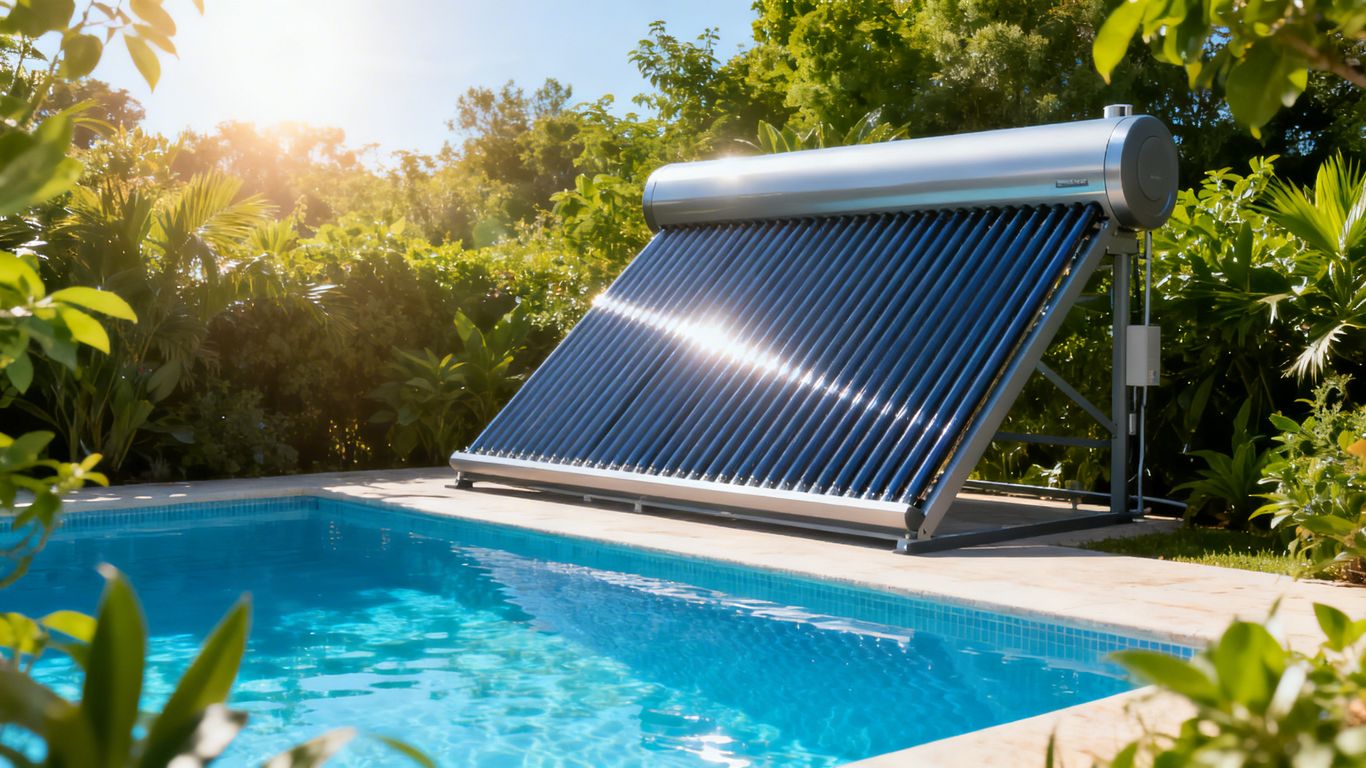
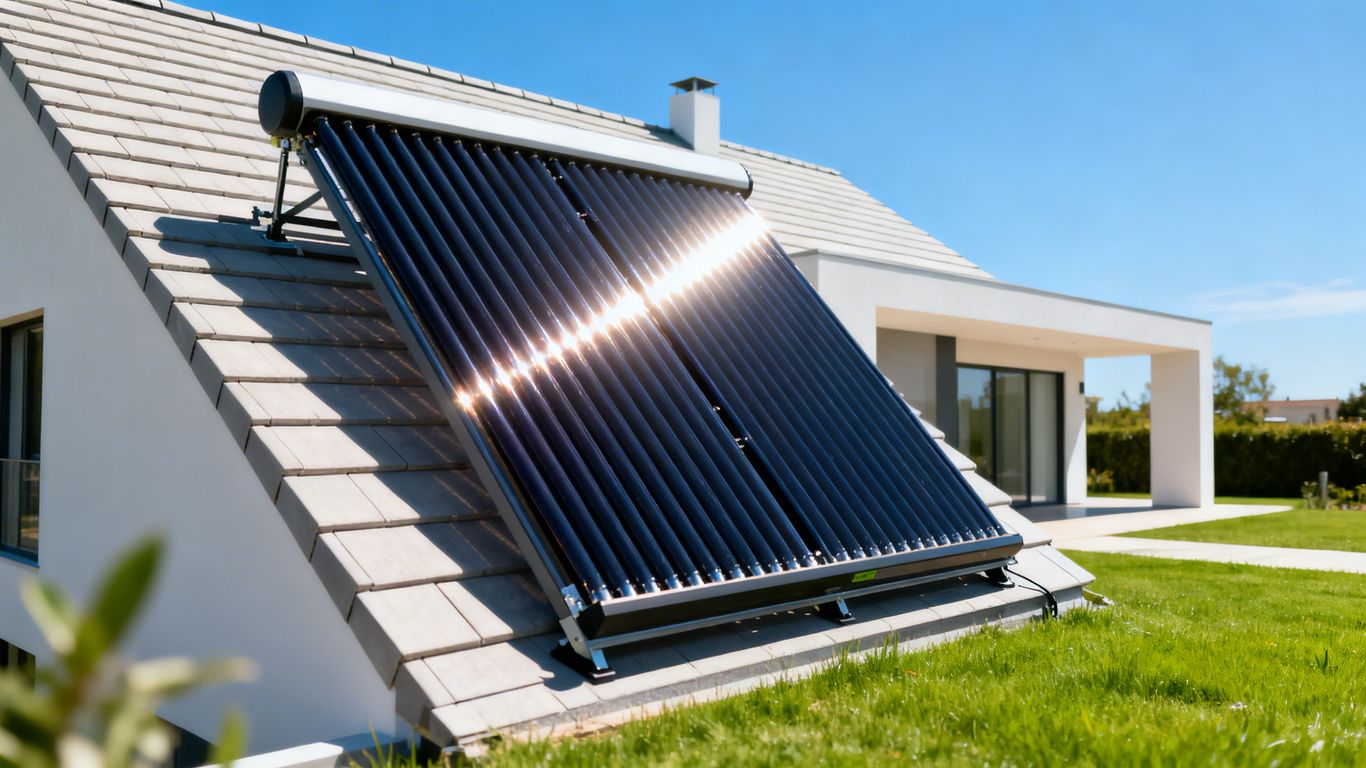
These are like the lungs of your installation. For collectors, there are mainly two main families: flat-plate collectors and vacuum tube collectors. The former are often more affordable and are well-suited for regions where the sun is generous. The latter are more efficient, especially in cold weather, but they cost more. For the storage tank, this is where the water heated by the sun will be kept. Its size will depend on your needs for hot water and the size of your solar installation. A tank that is too small won’t store enough heat, while a tank that is too large may never be completely filled. It’s important to find the right balance.
Here are some points to consider for the tank:
- Volume: Plan for about 50 to 100 liters per person for hot sanitary water, but for heating, a larger volume is often required, sometimes several hundred liters, especially if you opt for a ‘direct solar floor’ system.
- Insulation: Good insulation is crucial to avoid heat loss.
- Type: There are ‘simple’ tanks or ‘double coil’ tanks if you also want to produce hot sanitary water with the same tank.
Integrating with the Existing Heating System
This is often where things get a bit complicated. Your solar system won’t necessarily replace your old boiler overnight. The idea is more to have them work together. For example, the sun can preheat the water that will then feed your radiators or underfloor heating. If the sun isn’t enough, your current system will take over. We often talk about ‘hybrid’ systems. So you need to carefully think about how the two systems will communicate. Sometimes, it’s necessary to add heat exchangers or specific valves. Good integration ensures that you will get the most out of solar energy without ever running out of heating or hot water.
Solar thermal installation may seem complex at first glance, but by getting well informed and choosing the right components, you can achieve an efficient system. Be sure to evaluate your needs and the specifics of your home before diving in.
The Cost and Profitability of a Solar Heater for Home
So, we often wonder if installing a solar heater is really worth it financially. It’s a very important question because you have to put down a sum of money upfront, and you want to be sure not to go wrong. Let’s take a look at this together, with no sugarcoating.
The Initial Budget and Available Financial Assistance
To start, let’s talk money. The cost of a solar thermal installation can vary quite a bit. It depends on the size of your house, the type of system you choose, and of course, the brand and complexity of the installation. We’re often talking about a budget ranging from €8,000 to €20,000, or even more for very large houses or very sophisticated systems. It’s quite a sum, let’s not kid ourselves.
But wait, there’s good news! The state and local authorities offer a lot of assistance to encourage the use of renewable energy. There are tax credits, regional subsidies, and assistance from the ANAH (National Agency for Housing) for renovations… These aids can really lower the final bill. For example, in some cases, they can cover a good part of the investment. You need to get informed with local organizations and installers to know what you are entitled to. It’s a bit of a treasure hunt, but it can be worth it!
It’s essential to inform yourself about the available assistance before starting. This can significantly reduce your out-of-pocket expense and accelerate the payback of your installation.
The Payback of the Investment
Once the installation is done and the aids deducted, you need to calculate how long it will take for your solar heater to…
The Advantages and Disadvantages of a Solar Heater for Home
So, let’s talk frankly about the good and bad sides of solar heating. It’s not always perfect, but there are really interesting points to consider.
The Ecological and Economic Benefits
The first thing that comes to mind is the ecological aspect. Using the sun is definitely the best for the planet, right? Less CO2, less dependence on fossil fuels… it’s a gesture for the future. And let’s be honest, it’s also good for the wallet.
- Reduction of the energy bill: This is the major advantage. Depending on your installation and consumption, you can see your heating and hot water bill decrease quite dramatically. We’re talking about a 40 to 60% reduction in the heating portion; that’s not nothing!
- Increased value of the property: A house equipped with solar panels is in demand. It’s an additional selling point and can increase the value of your property.
- Energy independence: The less you depend on energy suppliers, the less you are at the mercy of price increases. The sun, it’s free and it’s there (most of the time!).
The Limitations to Know
Now, you need to be realistic. Solar has its limitations, especially when it comes to heating.
- Dependence on sunlight: It’s obvious, but it needs to be said. If there’s no sun, there’s no energy production. Gray days, long dark winters—this is felt. So, it’s often necessary to plan for a backup system (boiler, electric radiators…) for low production periods.
- Initial investment: We must admit that the upfront cost can be significant. Even though financial aids exist, you need to be able to afford the amount upfront. It’s a long-term investment.
- Space required: Solar panels take up space. You need to have a well-oriented roof that is large enough and without too much shade.
Our Assessment After Several Years of Use
After a few years with our solar system, we can say that the assessment is quite positive. We’ve seen our oil consumption drop by about 25% on average, which is not negligible. Hot sanitary water is almost always provided by the sun, even in mid-season. It’s true that for heating in mid-winter, solar only acts as a backup, but it helps reduce the demand on our old boiler. The payback of the installation, which started at about €16,500, was greatly reduced thanks to subsidies (over €10,000), bringing our actual cost down to less than €6,000. We estimate the total payback between 6 and 8 years, which is very reasonable given the material’s lifespan is projected to be at least 20 years.
The idea of grouping together with neighbors for this type of installation is really interesting. The investment would be lower for everyone, and the payback faster. It would also allow sharing clean and free energy.
In summary, if you have good sunlight and are ready to make the initial investment, solar heating is a solution that makes sense, both for ecology and for your finances in the long run.
Tips for Successfully Completing Your Solar Heater Project for Home
So, are you diving into solar thermal to heat your home? Excellent idea! To ensure everything goes smoothly and you fully enjoy the benefits, here are some avenues to explore.
Choosing the Right Installer
This might be the most important point. A good installer guarantees a high-performing and durable installation. Don’t rush! Research local companies, request detailed quotes, and compare. Favor certified professionals recognized for their experience in solar thermal. Don’t hesitate to ask for references or to check online reviews. A trusted installer will also guide you on the available financial assistance, which is not to be overlooked.
Anticipating the Specific Needs of Your Home
Every home is different, and your solar project must be too. Before you dive in, ask yourself the right questions: what is the exposure of your roof? What is the surface area of your home to heat? What is your current heating system? Is it compatible with solar? For example, if you have underfloor heating, integration will be simpler than with old radiators. Also, consider your home’s insulation; good insulation means less heat to produce, making for a smaller and more profitable solar system.
Optimizing the Performance of Your Installation
Once installed, your solar panels need a little boost to give their best performance. Here are some tips:
- Orientation and tilt: Ensure that your collectors are oriented as best as possible (ideally due south) and tilted to capture maximum sunlight, especially in winter.
- Maintenance: Regular cleaning of the panels (once a year is often sufficient) helps maintain good efficiency. Also, check the level of the heat transfer fluid.
- Smart integration: If you have an existing heating system, ensure solar is well integrated into it. The idea is for solar to take over as much as possible, thus reducing the use of your backup system.
Solar thermal is a long-term investment. Planning well, choosing partners wisely, and maintaining your installation properly are key to maximizing the benefits for both your wallet and the planet.
To make your solar heater project a success, it’s essential to prepare well. Make sure to choose your equipment carefully and understand how they work together. This is key to having a system that heats your home well and saves you money. If you want to learn more about how to make your home more ecological and economical, visit our website!
So, is it worth it?
Well, we’ve reached the end of our little discussion about solar heating. I hope this sharing of experience has given you a clearer idea of what it entails. It’s not always simple—there are things to look at carefully before diving in—but honestly, when you see the savings and the comfort it can bring, it’s enticing, right? If you still have questions, don’t hesitate to dig a little deeper and see what others have done. Every home is different, every situation too, but the idea of heating your home with the sun remains a great option to explore for the future. Alright, see you soon for other adventures!
Frequently Asked Questions about the Solar Heater for Home
Does solar heating work well even when it’s cold in Quebec?
Yes, it’s definitely possible! Even when it’s cold, with well-designed panels and an installation suited to the climate, you can still harness the sun to heat your home. New technologies help a lot with this, even far from warm regions.
How much does it cost to install a solar heating system?
The upfront price may seem high, but there are often financial aids like tax credits or subsidies that can significantly lower the cost. The idea is that in the long run, you save on your energy bills, making the investment profitable.
Can I install this myself or do I need a pro?
Some people who know a bit about DIY do it themselves to save money. But be careful, it’s a complex system. Hiring a professional is often safer to ensure everything works properly and to have guarantees.
How can the sun heat my home when there’s no sun outside?
The solar thermal system heats a large water tank using the sun. This hot water can then be used to warm your house, even when the sun isn’t shining. It’s a bit like a big thermal battery that stores the heat from the sun.
Does the solar heater completely replace my old heating system?
Often, the solar system does not entirely replace your old heating system. Instead, it works as a complement, especially in mid-winter when there is less sun. It can preheat the water that goes into your radiators or underfloor heating, thus reducing the use of your current boiler.
How long does it take for a solar system to be cost-effective?
It depends on many factors: the installation cost, the aids you receive, the price of your current energy (oil, electricity…) and of course, the amount of sunlight you get. But generally, we’re talking payback over several years, often between 6 and 10 years, or even less if energy prices rise.